House Martins need you!



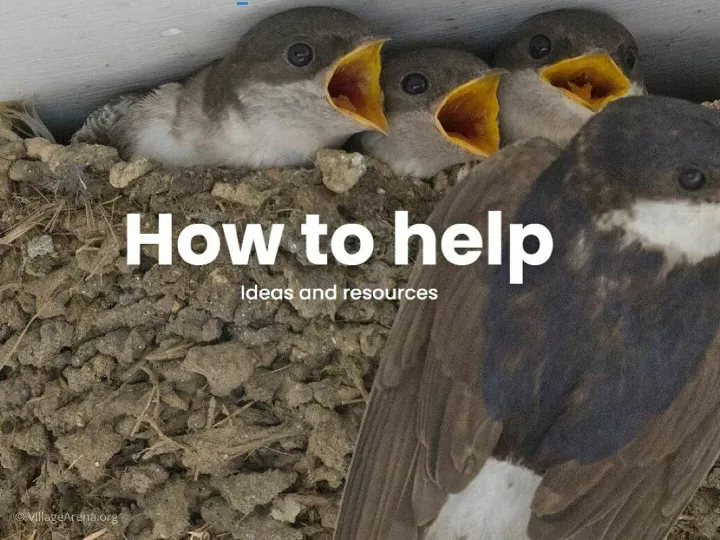
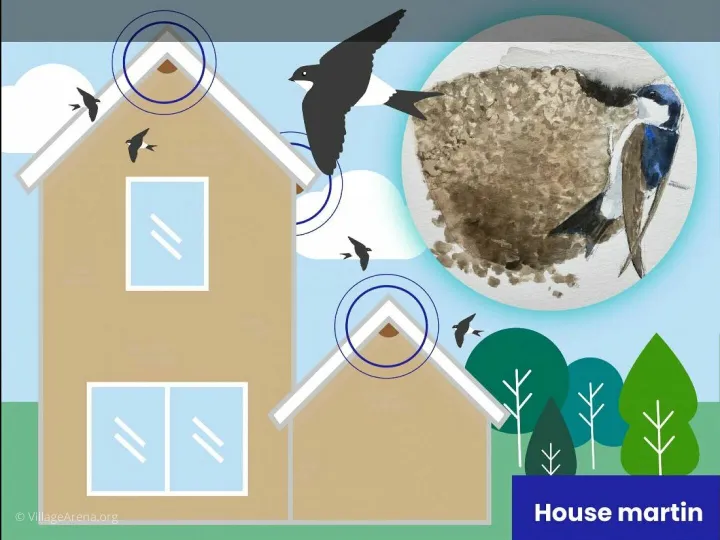
Did you know that House Martins travel thousands of miles each year to spend the spring & summer with us.
With numbers declining, your Parish Council would like to take the opportunity of offering, free of charge – a House Martin nesting box.
We have up to 20 to give away. Please email clerk@cmparishcouncil.org to register your interest.
Swallows, Swifts and House Martins were once a much more common sight over UK towns and cities, dextrously catching insects on the wing. These spring and summer visitors are becoming increasingly rare, according to the definitive survey of the country's birds.
House Martin populations in the UK have declined significantly, partly due to habitat loss and declining insect numbers, which are their primary food source.
Additionally, the move towards UPVC soffits and fascia boards, the lack of suitable nesting materials, and deliberate prevention of nesting are contributing factors
Specifically, there's been a 44% decline since 1995, leading to the species being added to the UK Red List in 2020.
Their diet consists almost entirely of small flying insects and spiders, the plankton of the air.
If you hate mosquitoes, love house martins.
When to see them: March-Oct
The female lays four or five eggs that take two to three weeks to hatch. The chicks then spend up to five weeks in the nest before they are ready to take to the wing.
House Martins start to leave us in August but they can still be seen as late as October, especially if they have raised a second or third brood.
Look out for House Martins in late summer congregating on house roofs or whirling about meadows in large numbers ready for the long migration.
Tips to help our feathered friends:
- Providing artificial nest cups can encourage house martins to nest around your eaves.
- If you have to remove nests to do renovation works make sure it is outside of their nesting season.
- Replacing the removed nests with artificial ones will encourage returning birds to stay and continue to breed.
If you want to find out more: here is the link to House Martin Conservation
Nigel Lewis
Information Post date: 23/01/26 13:22
Page last updated: 01/04/26 11:25
Quick Links
Get In Touch
VillageArena is powered by our active community.
Please send us your news and views using the button below: